




Current adoption metrics for blind-mate, universal quick-disconnect liquid-cooling connectors show these interfaces are used extensively in high-density compute and rack-scale cooling, driven by serviceability and modularity demands. This article is a one-stop reference summarizing the UQDBP-08TMU04-N000 datasheet: concise mechanical and hydraulic specs, installation and maintenance guidance, and a procurement checklist to speed qualification and reduce integration risk.
The goal is practical: present the key performance numbers and decision points engineers need when evaluating the UQDBP-08TMU04-N000 for server racks, liquid-cooled compute nodes, and test-bench systems. Where exact numeric values are needed for design or procurement, consult the official product datasheet for confirmation before release to production.
1 — Product overview & intended applications (background introduction)
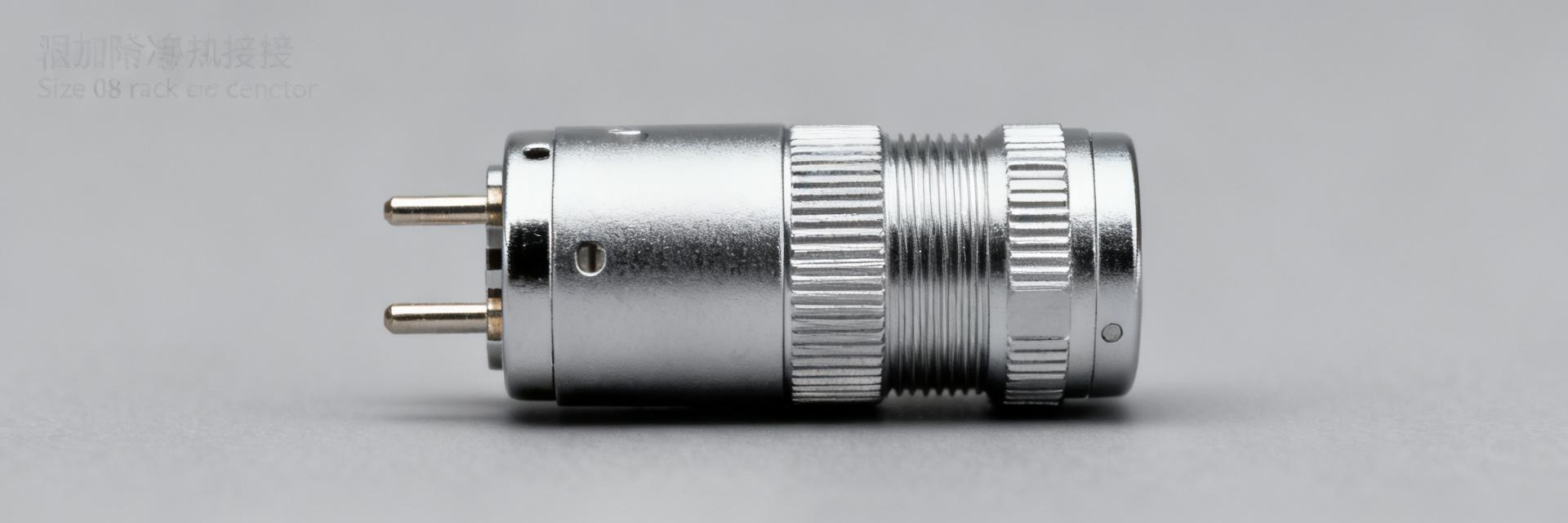
1.1 What the UQDBP-08TMU04-N000 is
Point: The UQDBP-08TMU04-N000 is a blind-mate quick-disconnect plug in the UQD/UQDB family, offered in a Size 08 format suitable for medium-flow cooling connections. Evidence: The official product datasheet defines the part as a plug intended for blind-mate liquid-cooling interfaces. Explanation: In practice this form factor pairs with a complementary receptacle to enable rapid mating in constrained rack environments while maintaining a repeatable interface and predictable mechanical alignment.
1.2 Typical system-level benefits
Point: System advantages center on serviceability and leak control. Evidence: Datasheet guidance and field experience indicate dripless mating, low insertion force, and standardized face seals. Explanation: Using the UQDBP-08TMU04-N000 reduces downtime during module swaps, simplifies field servicing, and standardizes cooling interfaces across modular equipment, which lowers spare-part inventory and training burden.
2 — Mechanical & dimensional specifications (data analysis)
2.1 Key mechanical dimensions to list
- Body length and overall length — critical for rack clearance and bay depth verification.
- Panel cutout size and recommended panel thickness — ensures correct mounting and seal compression.
- Nominal diameter and exposed face dimensions — for alignment and protective shrouds.
- Thread specification for panel mounting (confirm exact thread from official datasheet) and mounting style (flange, threaded, or captive).
- Weight and recommended torque values for panel fasteners — for structural and vibration considerations.
| Specification Parameter | Datasheet Range / Value | Design Context & Notes |
|---|---|---|
| Form Factor | UQD Size 08 | Optimized for medium-flow blind-mate liquid-cooling systems |
| Body & Shell Material | Stainless Steel (316/304 options) | Corrosion prevention, robust thread structures |
| Seal Compounds | EPDM / FKM Elastomers | Requires matching fluid chemical profiles for longevity |
| Mating Force Standard | Low Insertion Metric | Designed for rack-level push-to-connect blind-mate slots |
2.2 Materials, finishes & mechanical durability
Point: Typical materials include stainless-steel bodies, corrosion-resistant springs/wetted parts, and elastomer seal options such as EPDM or FKM; verify exact options in the datasheet. Evidence: The manufacturer datasheet lists available seal compounds and finish options and specifies a rated mating cycle life. Explanation: Material selection affects chemical compatibility, long-term wear, and surface finish choices impact galling and corrosion resistance—select seals and finishes that match coolant chemistry and expected lifecycle for reliable performance.
3 — Hydraulic & thermal performance (data analysis / specs)
3.1 Pressure, flow and leakage specs
- Maximum working pressure, proof/test pressure, and burst pressure (quote exact numbers from the datasheet).
- Flow versus pressure-drop characteristic or Cv/flow coefficient (use datasheet curve for system modeling).
- Allowable leakage rate and dripless claim — specify leakage metric used for acceptance testing.
Interpretation: Use the listed pressure ratings to size system reliefs and the Cv/flow data to predict pump head and thermal performance; leakage specifications inform isolation and secondary containment design.
3.2 Temperature range and compatible fluids
Point: The operating temperature range and approved fluids (water, water-glycol mixtures, and any listed dielectric fluids) are specified in the official datasheet and determine seal selection. Evidence: Datasheet tables typically provide operating temperature limits per seal compound. Explanation: High or low-temperature extremes change seal hardness and permeability; select the seal compound and coolant conditioning (pH, inhibitors) accordingly to avoid accelerated seal aging or swelling that would compromise long-term hydraulic integrity.
4 — Electrical & safety / compliance notes (methodology — compatibility & risk)
4.1 Safety ratings and test standards
Point: The connector is evaluated to normative mechanical and hydraulic tests referenced in the datasheet. Evidence: Typical datasheet entries list pressure cycling, environmental exposure, and mating-cycle tests to established industry test methods. Explanation: During procurement require test-reference citations from the official datasheet so the test scope and pass/fail criteria are unambiguous for qualification and warranty discussions.
4.2 Risk points & mitigation
Point: Common failure modes include seal wear, cross-threading during panel install, and debris-induced leakage. Evidence: Field practice and datasheet maintenance notes point to these as primary risks. Explanation: Mitigations include inline filtration to prevent particulate ingress, controlled torque during panel mounting, protective dust caps when unmated, and scheduled seal replacement based on cycle counts or service hours.
5 — Installation, maintenance & troubleshooting guide (method / actionable)
5.1 Step-by-step installation checklist
- Pre-install: verify panel cutout, inspect seals for damage, confirm thread spec and orientation.
- Mount: secure body using recommended torque, confirm face alignment and compression per datasheet.
- Mating: follow prescribed insertion path and listen/look for positive latching; perform pressure/leak test at recommended proof pressure.
- Initial flush: flush and bleed the circuit to remove entrained air; verify flow and thermal response.
- Tools: torque driver, calibrated pressure source, leak-detection fluid or vacuum decay rig, PPE for coolant handling.
5.2 Routine maintenance & common troubleshooting
Point: Scheduled inspections and seal replacement prevent unplanned downtime. Evidence: Maintenance intervals and replacement part lists should be taken from the official datasheet and service notes. Explanation: Inspect face seals after a defined number of cycles or service hours, replace seals showing nicks or hardening, diagnose flow-reduction by isolating sections to distinguish connector restriction from upstream blockages, and perform controlled disconnects following the datasheet depressurization sequence.
6 — Comparison, replacements & procurement checklist (case study + action)
6.1 How to compare alternatives (short decision framework)
- Compare thread standard, body material, and verified maximum pressure first—these are gating criteria for compatibility.
- Evaluate seal compound options for fluid compatibility, mating style (blind mate vs. threaded), and rated cycle life for lifecycle costing.
- Assess vendor-supplied test reports, spare-part support, and availability of qualification samples.
6.2 Procurement & spec checklist before purchase (actionable bullets)
- Confirm full part string and any suffixes for seal material and finish.
- Request certified test reports showing pressure, burst, and cycle testing tied to the official datasheet.
- Specify required operating conditions, expected lead time, sample and qualification plan, and a spare-parts list (extra seals, dust caps).
- Must-ask items: thread confirmation, exact seal compound, and a verification of the rated pressure and mating-cycle report.
Summary / Conclusion
The UQDBP-08TMU04-N000 offers a compact, blind-mate solution for modular liquid-cooling where fast serviceability and controlled leakage are priorities. In selecting this connector, validate the mechanical interface and the hydraulic ratings against your system head, ensure seal compound compatibility with your coolant, and require datasheet-backed test reports during procurement. Request samples for qualification and include spare seals and dust caps in your initial procurement to minimize downtime during field trials.
Key summary
- Mechanical readiness: Verify body length, panel cutout, and mounting thread in the official datasheet to ensure proper fit and torque values for your rack or enclosure.
- Hydraulic performance: Use the listed maximum working and proof pressures plus Cv/flow data from the datasheet to size pumps and reliefs accurately.
- Materials & seals: Confirm seal compounds and finishes in the datasheet to match your coolant chemistry and temperature range for long-term reliability.
Common questions & answers
What mounting dimensions are specified for the UQDBP-08TMU04-N000?
Consult the official product datasheet for exact body and panel cutout dimensions. The datasheet provides the critical measurements for body length, panel hole size, and recommended panel thickness; use those values to prepare accurate cutouts and avoid misalignment or seal compression issues.
What pressure and leakage ratings does the UQDBP-08TMU04-N000 support?
Reference the datasheet for the explicit maximum working pressure, proof pressure, and allowable leakage rate. These figures should be used to set system reliefs, define acceptance leak-test criteria, and determine whether the connector meets application safety margins.
What are the recommended installation checks for UQDBP-08TMU04-N000?
Before installation, inspect seals, verify thread and orientation, and confirm panel cutout dimensions per the datasheet. Use a calibrated torque driver for panel fasteners, perform a controlled mating and leak test at proof pressure, and document the initial performance as a baseline for future maintenance cycles.
What fluids and temperatures are compatible with the UQDBP-08TMU04-N000?
The connector supports water, water-glycol mixtures, and approved dielectric fluids. Specific operating temperature limits and fluid compatibility configurations depend on the chosen elastomer compound (EPDM or FKM) outlined in the official datasheet.


