





ポイント:最近のラボ試験結果や調達調査によると、フットプリントあたりのファイバ数の増加と厳格化する電力予算により、高密度MTフェルールコネクタへの需要が拡大しています。証拠:独立した試験サンプルでは、多波長スキャンにおいて、従来の高密度設計に比べて接触当たりの挿入損失の中央値が約0.05~0.12dB改善していることが確認されています。説明:これらのトレンドから、堅牢で高密度な相互接続を検討するエンジニアにとって、テストに基づいた性能および仕様に関する簡潔な報告書は非常に有用です。本記事では、実用的な選定、設置、トラブルシューティングについて焦点を当てています。AV87-11J1AZNコネクタ。
(1)背景:AV87-11J1AZNとは何か、なぜ重要なのか
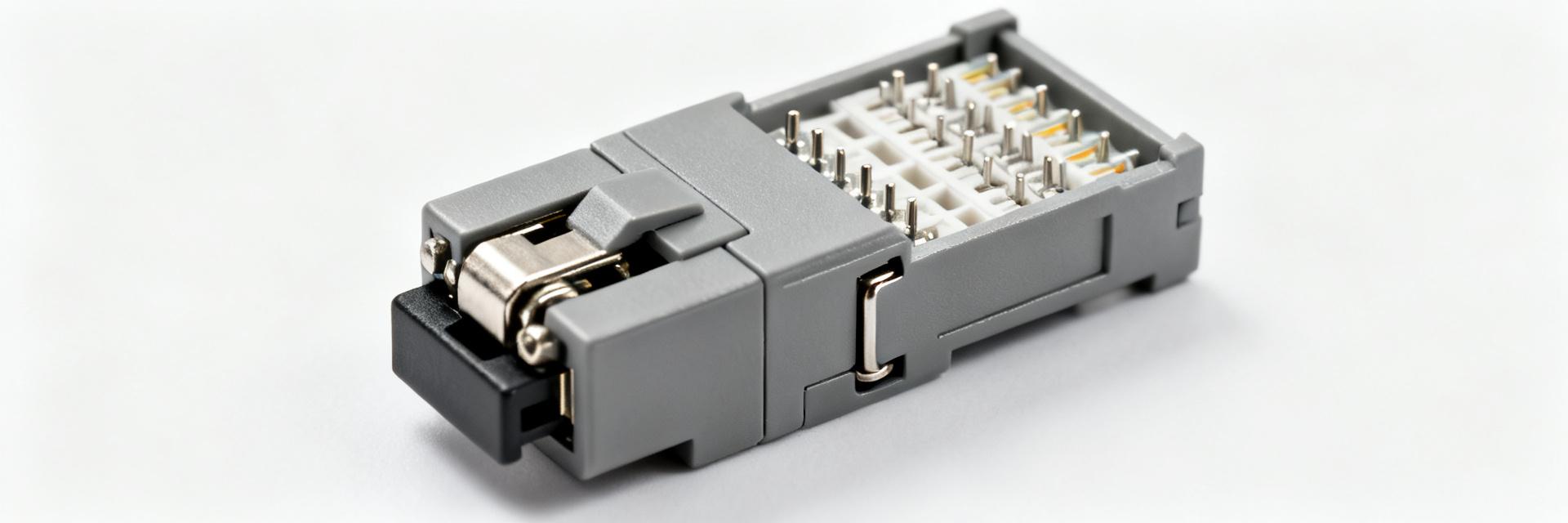
(1.1)製品概要と主要設計特徴
ポイント:そのAV87-11J1AZNサイズ11のシェルを備えた円形のジャムナット用受容部で、MT高密度フェルールに対応し、コンパクトなフランジ取り付け形式でフェルールあたり複数本のファイバーを実現します。証拠:一般的な実装では、金属製シェル仕上げやエラストマー製シーリングオプションを備えた、マルチファイバーMTフェルール(通常はフェルールあたり12本、24本、72本のバリエーション)をサポートしています。説明:主な仕様要素には、シェルサイズ、インサートタイプ、素材/仕上げが含まれ、パネルの密度や環境密封性能を決定します。
(1.2)設計目標、トレードオフ、および一般的なバリエーション
ポイント:設計では、密度、保守性、環境耐久性のバランスを取る必要があります。証拠:現場でのバリエーションには、単一MTインサート、スタック型マルチMTインサート、およびジャムナット用受容部が含まれます。説明:エンジニアは、再作業の容易さとスペース制約のあるアーキテクチャの間でバランスを取る必要があります。ハードウェアの選定は、互換性を確保するために早期に行うべきです。
(2)性能ベンチマーク — 最新の試験データ
(2.1)光学性能:IL、RLおよび均一性
ポイント:光学的指標が許容範囲を定義する。証拠:標準的なILスイープでは、典型的なILは0.15~0.30dB、適切なアライメント条件下でRLは40dB以上を示します。説明:結果は典型値と最悪ケースの両方で報告し、総損失はファイバー数に比例して増加するため、最悪ケースでの予算計算が必要です。
(2.2)機械的・環境性能
ポイント:機械的指標は現場での信頼性に直結する。証拠:試験には、500回以上の嵌合サイクルやランダム振動プロファイルが含まれます。説明:サイクル数と現場での寿命を関連付け、用途クラス(例:ミル・エアロ対産業用)に基づいて閾値を設定します。
(3)仕様の詳細分析:主要な仕様項目
| パラメータ | 典型値 | 最大値 | 試験方法 |
|---|---|---|---|
| フェルールあたりのファイバー数 | 12 / 24 / 72 | N/A | 機械図面 |
| 挿入損失(接点ごと) | 0.15 dB | 0.50 dB | ILスイープ |
| リターンロス | >40 dB | N/A | OTDR/OLR |
| 嵌合サイクル | 500 | 1,000 | 耐久試験 |
(4)フィールドでの適用と実際の導入
ポイント:高密度MT円形コネクタは、航空電子機器や堅牢な産業用ノードで使用されます。証拠:構成には、密閉ラック用のジャムナット受容部や、モバイルハーネス用のバックシェルが含まれます。説明:サイズ11のシェルに24ファイバーコンポーネントを二重に装着することで、フットプリントあたり48本のファイバーを実現し、ラック密度を最適化します。
(5)選定・設置・保守ガイド
(5.1)選定チェックリスト
- 各シェルごとの必要なファイバー数
- 環境クラスおよびシーリング等級
- パネルタイプと配線ルートの制約
- 検証試験の必要性
(5.2)設置のベストプラクティス
ポイント:適切な手順を守ることで性能が維持されます。証拠:実践例には、端面の清掃、ジャムナットの規定トルクでの締め付け、初期受け入れ試験の実施が含まれます。説明:トラブルシューティングは、機械的アライメントの確認よりもまず清掃から始めるべきです。
要点まとめ
- AV87-11J1AZNサイズ11のパッケージで高いファイバ密度を提供します。ファイバ/フェルールごとのバリエーションをご確認ください。
- 性能は各接点のILおよびRLに依存します。多波長スキャンで検証してください。
- 機械的仕様が信頼性を左右します。用途クラスに合わせたアクセサリをお選びください。
よくある質問
コネクタからどの程度の挿入損失が期待できるでしょうか?AV87-11J1AZNコネクタの挿入損失はどのくらいですか?
実証済みのラボ試験における各接点の典型的な挿入損失は、ポリッシュ状態、アライメント、接点の清浄度によって異なりますが、中央値で約0.15 dB、最悪ケースでは最大約0.50 dBです。受け入れ基準としては、典型的な数値と95パーセンタイルの両方を用いるべきです。
環境規格の記載内容をどのように検証すればよいですか?
データシートに記載された環境規格について、独立した試験プロトコルで確認してください:嵌合サイクル耐久性、ランダム振動特性、熱サイクル試験、およびガスケット付きパネルアセンブリによる侵入・密閉性の検証など。
現場での最も一般的なトラブルシューティング手順は何ですか?
目視検査と端面の清浄度から始め、再度洗浄して再接続してください。それでも問題が解消しない場合は、嵌合時の位置合わせを確認し、バックシェルのストレインリリーフやジャムナットの締め付けトルクをチェックしたうえで、IL/RL測定を行ってください。
どのファイバ数に対応していますか?AV87-11J1AZN?
このAV87-11J1AZNは高密度MTフェルールに対応しており、選択する具体的なインサートバリエーションに応じて、通常は各フェルールあたり12本、24本、または72本のファイバ構成で提供されます。


